

Our lovely misspelt logo by Dall-E
Hi,
Welcome to the Procrastilearning Newsletter, where your time is well spent even though you should probably be doing something else.
3 things worth procrastilearning over

via Leonardo.ai
1. 'Kidults' are a big marketing thing now
The other day, I was weirded out when I noticed a local shop was selling Kinder Eggs featuring toys based on characters from Stranger Things. Yes, a Netflix show recommended for people aged 16 or above due to all the violence and gore. ‘Why would I want to buy that for my 4-year-old?‘, I thought. But then I realised he's not the target consumer for these children's sweets.
These days, Kinder Eggs are less 'give this treat to your 4‑year‑old' and more 'regress into your inner schoolchild'. Adults have quietly become the toy industry’s favourite customers, outspending the parents of small children and pouring billions into Lego sets, cuddly toys and collectibles marketed as stress relief and 'mental health adjacent' hobbies.
Since people drink less these days and aren’t having children of their own, I guess they’re looking for new ways of burning through their money 🤷♂️

Most of this is harmless background stuff, but what happens when background becomes foreground. A bit of frivolous silliness after a horrible week is one thing (an A&E doctor putting together a Lego set at the end of a week of night shifts sounds like a healthy mental detox), but reorganising your time, money and personality around buying the next little hit of comfort is another (eg. anybody trying to collect all those Stranger Things toys). At that point, infantilisation and nostalgia stops looking like 'staying young at heart' and starts to feel more like a self-inflicted crutch: a padded and colourful play-pen that's good at keeping you too busy to attempt anything scary or worthwhile.
But yes, I did happen to watch the Stranger Things final season. Pretty good fun, except for that last half hour. They didn't kill off enough characters either.
2. We don't seem to know why ice is slippery
Ice is one of those things we pretend to understand, like Wi‑Fi or national monetary policies. Schoolbook answers talk confidently about 'a thin film of meltwater' under your shoe, but apparently, after 150 years of research, physicists are still arguing over which particular kind of thin film, at which temperature, doing what exactly.
Depending on who you ask, it's pressure melting, friction heating, a naturally 'premelted' surface layer, hyper‑mobile surface molecules, or (in newer papers) weird molecular dipoles that change the ice lattice so it behaves like a lubricant even in deep cold.
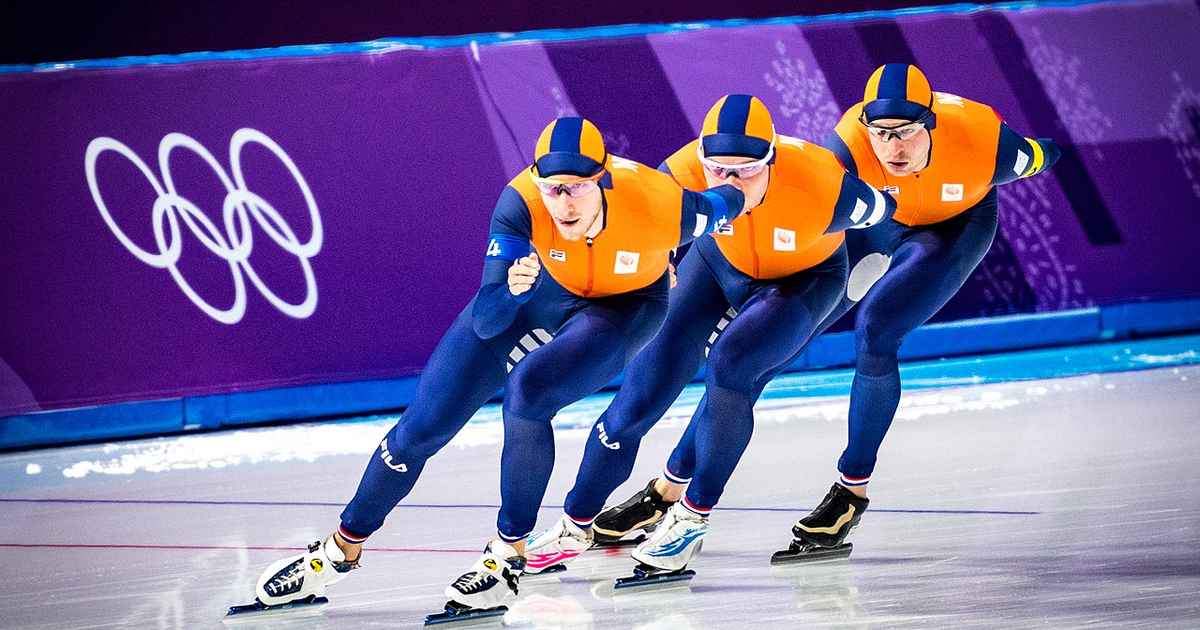
The current truce is basically: 'there’s a slippery, liquid‑ish layer on top of the solid, but please don’t ask us to agree on how it got there.' Different mechanisms probably act at different temperatures and speeds, which is science‑speak for 'it’s complicated and, ahem, slightly embarrassing that we still don’t have a neat answer for why you fall on your bum every winter'.
3. If you post online about politics a lot, you might be a psychopath
Apparently, the people clogging your FB feed with all‑caps political opinions are not philosopher‑kings. A big cross‑national study published in Nature found that the strongest, most consistent predictors of intense online political activity were high psychopathy and fear of missing out, especially when paired with lower cognitive ability. Narcissism showed up reliably in a few countries, and higher cognitive ability was actually associated with less shouting into the void, almost as if the more you can think, the less you feel compelled to argue with a sunset avatar at 1 in the morning.

The findings are both reassuring and mildly depressing. Reassuring, because it means the average citizen is probably not as hysterical or hostile as your timeline suggests - the loudest voices are psychological outliers, not a representative sample of humanity. But it's depressing, because digital politics currently runs on a business model that optimises for exactly those traits - impulsivity, aggression, FOMO - so platforms end up boosting posts by the people least equipped to use their service wisely.
2 quotes to keep in mind
The surveys all point the same direction: rising anxiety, rising depression, rising rates of loneliness even as we've never been more connected. How could this be, when we've gotten so good at giving people what they want? Maybe because we've gotten good at giving people what they want in a way that prevents them from wanting anything worth having.
To achieve great things, two things are needed; a plan, and not quite enough time.
1 simple tip for breaking bad habits
Keep temptations away instead of using willpower.
Have you ever felt that you could give up a bad habit if you just had more willpower? Using your willpower makes you feel cool and all, but it’s not actually the best way to resist temptation because it’s hard to use, can easily run out (especially if you’re hungry or tired), and often fails. Instead, people do better when they change their environment to avoid temptations. It’s the old adage, ‘out of sight, out of mind’. If you can make good choices easier to make in the first place and keep distractions away, anyone can achieve their goals more easily.
And yes, science confirms all this. For example, famed professor Angela Duckworth, author of bestseller Grit: The Power of Passion and Perseverance, says that in a recent study she conducted of thousands of students, those who kept their phones further away when studying got higher grades.

That's all for today. Many thanks for reading.
Adam
Adam Zulawski
Procrastilearning on Beehiiv / More stuff
Sent this by somebody else?
